28+
Years Of Experience
Could Your Circuit Breaker Box Use an Update?
Call for electrical service rebuilds in Claremore, Owasso & Tulsa, Oklahoma
Electrical equipment can start to malfunction after years of consistent use. Many items are built to last, but nothing's going to last forever. If you need an electrician to rebuild equipment at your residential or commercial space, call Jet 5 Electrical Services of Claremore, Oklahoma.
We complete electrical upgrades and rebuilds in the Sooner State. Our electricians specialize in circuit breaker and switch gear rebuilding and reconditioning services. Call our specialists today to discuss your needs.
Get Your Equipment Back In Shape
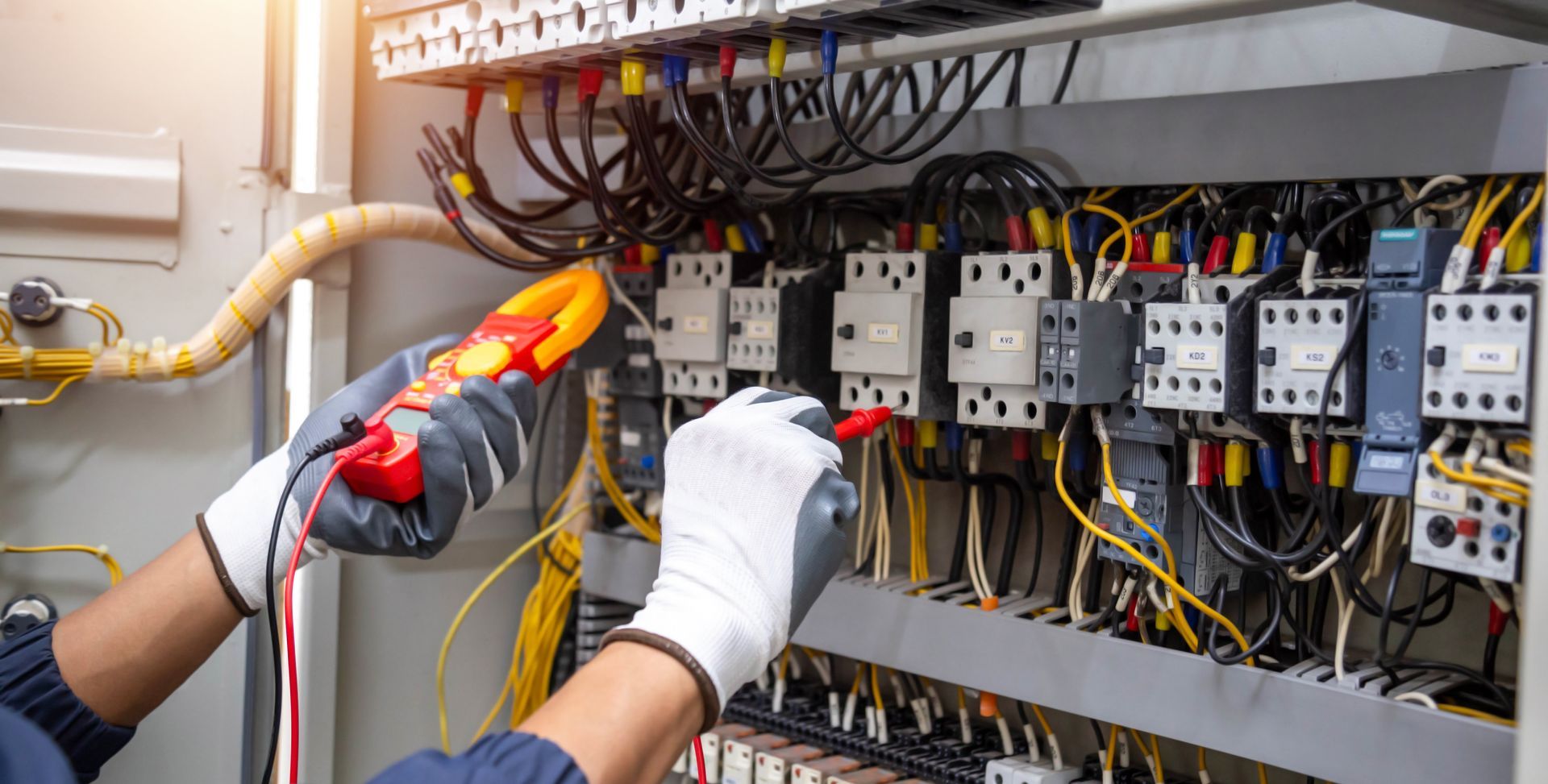
When your equipment isn't working up to par, you're paying for it every single day in electricity bills. Instead of finding a work-around for worn out equipment, call Jet 5 Electrical Services for assistance. We will:
- Inspect and test the equipment to find faults
- Disassemble the equipment as needed
- Rebuild the unit while cleaning and lubricating parts
- Test the final unit to ensure a quality solution
We promise your electrical equipment will work as good as new. Call Jet 5 Electrical Services today to schedule your rebuild or reconditioning service in Claremore, Owasso & Tulsa, OK.
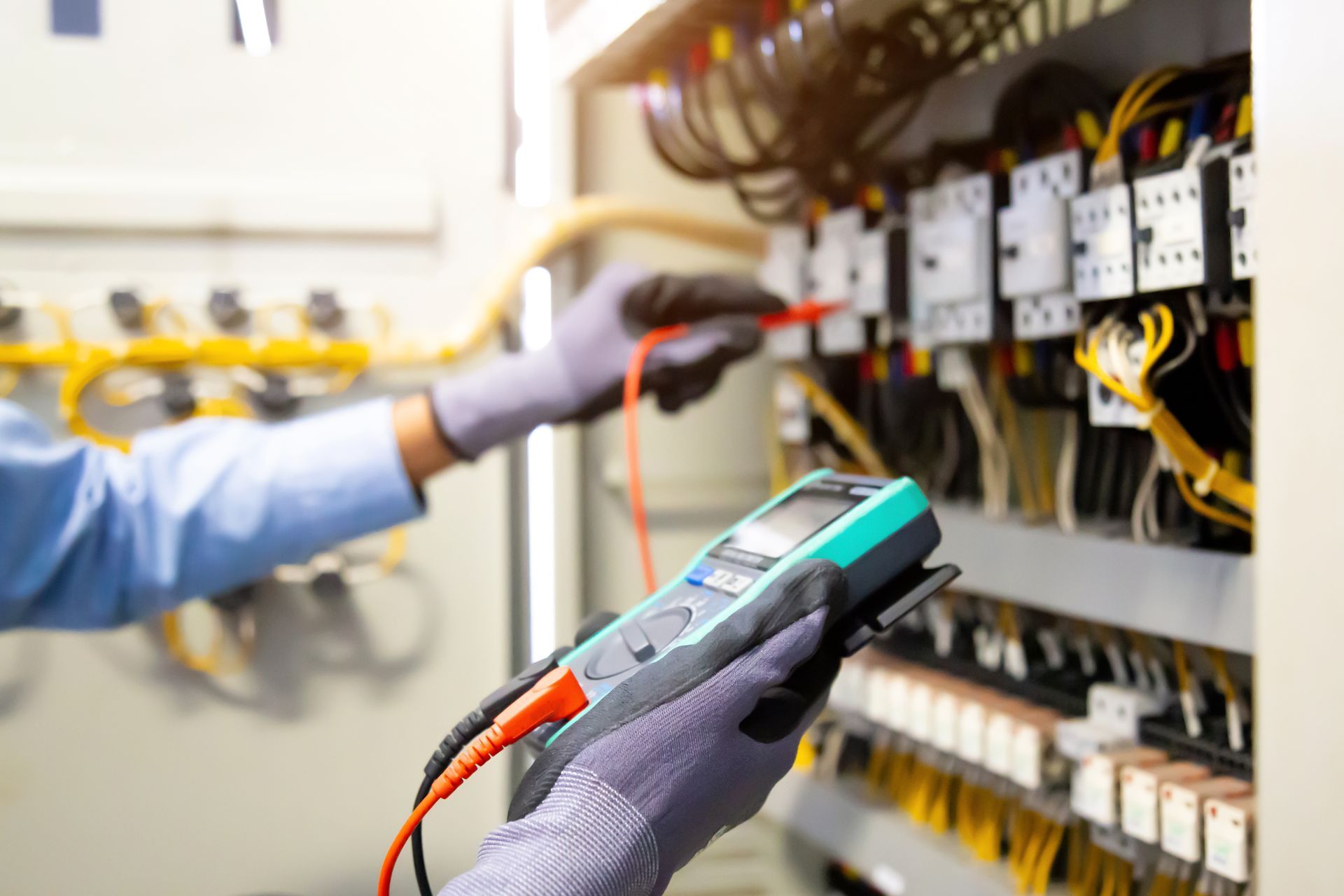
Restored Equipment That Extends Infrastructure Life
Electrical service rebuilds in Claremore for aging switchgear and circuit breaker assemblies requiring reconditioning before failure
Commercial facilities operating electrical distribution equipment installed decades ago face a decision point when components begin showing wear: replace the entire assembly at substantial cost, or rebuild and recondition the existing gear to restore reliable operation for continued service life. Switchgear and circuit breaker rebuilding addresses mechanical wear, contact deterioration, and lubrication breakdown that develops over years of switching cycles and fault interruptions. Jet 5 Electrical Services specializes in electrical service rebuilds across Claremore commercial properties, inspecting and testing equipment to identify faults, then disassembling units for thorough cleaning, parts replacement, and final verification testing before returning the equipment to service.
The rebuild process begins with comprehensive testing to establish baseline performance and identify specific failure points, then proceeds through controlled disassembly that documents component condition and clearances. Cleaning removes carbon deposits from arcing, corrosion from moisture exposure, and contamination from environmental dust or chemical exposure. Critical wear parts receive replacement, moving components get lubricated with appropriate compounds for electrical service, and assemblies are rebuilt to manufacturer tolerances before final testing confirms the unit meets original performance specifications.
Arrange an equipment evaluation to determine whether existing switchgear and breakers can be economically rebuilt or require replacement based on component availability and remaining service potential.
What Rebuilding Service Involves
Inspection and testing measure contact resistance to detect pitting or material loss, verify mechanical operation through full open-close cycles, and confirm calibration of trip elements that must respond correctly across the breaker's full protection curve. Disassembly proceeds systematically with documentation of adjustments and clearances needed for reassembly to original specifications, particularly for older equipment where manufacturer support may be limited and field measurements become the reference standard.
After rebuilding completes, switchgear operates with mechanical precision restored to eliminate binding or hesitation during switching operations, and contacts close with uniform pressure across their full surface area rather than making intermittent connection at worn spots. Circuit breakers trip consistently within their designed time-current curves instead of exhibiting erratic response from corroded mechanisms or weakened springs. You'll see equipment that handles fault interruption duty without the arcing flash or contact welding that occurs when deteriorated breakers attempt to clear high currents with inadequate contact separation speed.
Testing the final unit includes high-potential checks to verify insulation integrity after cleaning removed conductive deposits, contact resistance measurements to confirm proper connection quality, and mechanical operation counts to ensure latching mechanisms engage reliably through repeated cycles. The reconditioning extends equipment service life by addressing wear before catastrophic failure occurs, avoiding the production interruption and emergency replacement costs that come with unexpected equipment breakdown.
Questions About Equipment Rebuilding
Deciding between rebuilding and replacement depends on equipment condition and parts availability for older assemblies.
What determines whether equipment can be rebuilt versus requiring replacement?
Switchgear and breakers with intact structural frames, available replacement parts for wear components, and no fundamental design obsolescence that prevents code compliance can typically be rebuilt, while equipment with cracked insulation, discontinued parts, or designs that can't meet current arc flash or fault current ratings need replacement.
How does cleaning affect electrical equipment performance?
Removing conductive carbon deposits and contamination restores insulation resistance between phases and to ground, preventing tracking currents that cause gradual insulation failure, while cleaned mechanical components move freely without the binding that creates inconsistent operation and accelerated wear.
When should lubrication be performed during rebuilding?
Moving parts in circuit breakers and switches require lubrication compatible with electrical contacts and arc interruption environments, applied during reassembly after cleaning removes degraded lubricants that have oxidized or accumulated contamination reducing their effectiveness over years of service.
What testing validates that rebuilt equipment meets safety standards?
High-potential testing stresses insulation systems to verify they can withstand operating voltages plus a safety margin, contact resistance measurements confirm connections won't create hot spots under load, and mechanical timing tests verify breakers interrupt faults within required cycles to prevent equipment damage downstream.
Why would Claremore facilities choose rebuilding over new equipment installation?
Rebuilds cost substantially less than replacement when existing equipment remains structurally sound and parts are available, avoid the downtime required for engineering new installations and coordinating with utility interconnection requirements, and maintain compatibility with existing bus configurations and panel layouts that would require extensive modification for different equipment lines.
Jet 5 Electrical Services inspects aging electrical distribution equipment to assess rebuild feasibility and provide detailed condition reports before failures force emergency decisions. Contact us to schedule testing and evaluation of switchgear or circuit breaker assemblies operating in your facility.